Unlocking the Artistry of Malia: A Colorful Display Typeface
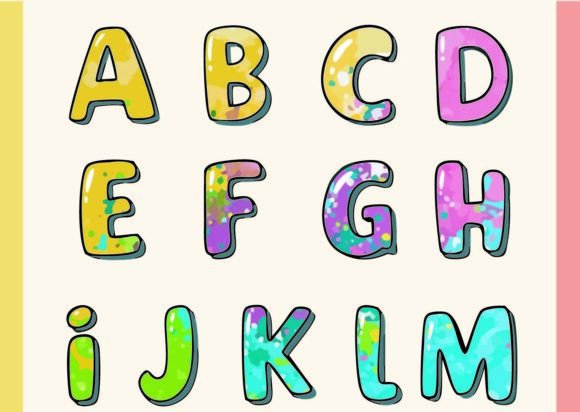
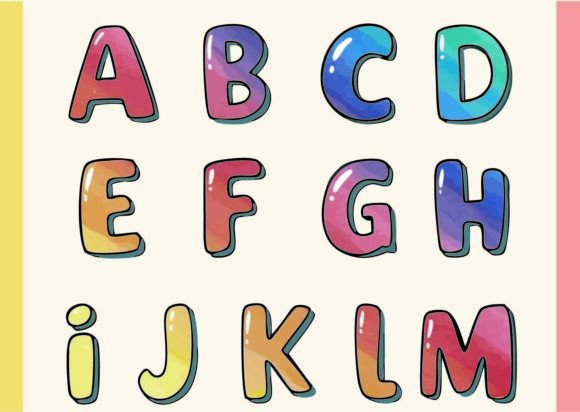
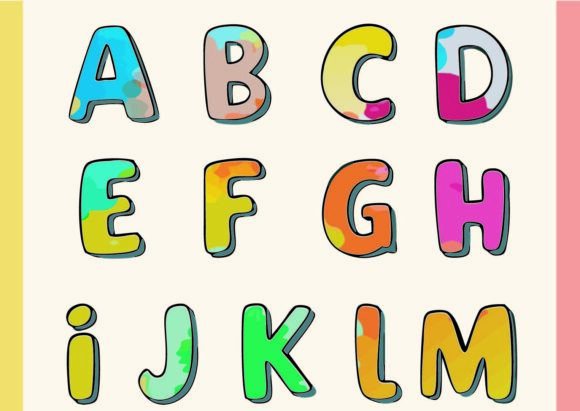
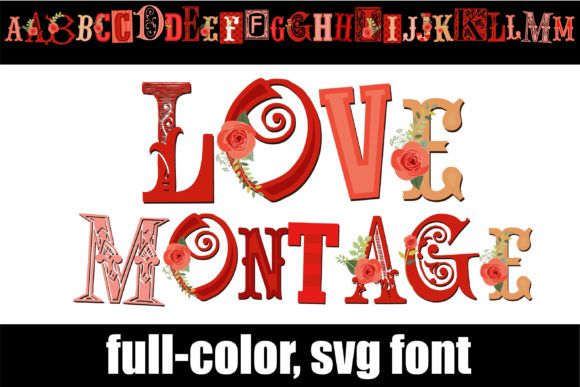
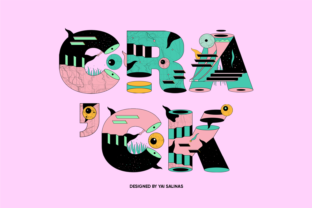
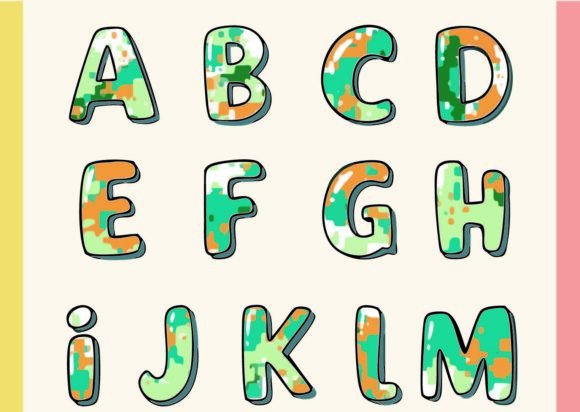
There is a moment in every creative project when the typography stops being just letters and starts becoming the artwork itself. Imagine a typeface where every single glyph is a unique composition, a tiny canvas filled with intricate pathways and vibrant hues. This is the reality of Malia, a stunning color font that transforms standard text into visual masterpieces. It isn’t just about reading the words; it’s about experiencing the texture, the gradient, and the complexity embedded within each character. For designers and entrepreneurs who demand more than just legibility—who want their brand to exude depth and personality—this font offers a doorway into a colorful heaven of typographic painting.
The Power of the Color Font (OpenType-SVG)
If you have ever struggled to make a headline pop or wished your logo had more dimension without adding complex vector layers, the technology behind Malia is the answer. As an OpenType-SVG color font, Malia retains all the rich details of hand-painted art directly inside the font file. Unlike traditional vector fonts that require you to manually add gradients or textures, this typeface renders those details automatically when you type.
This distinction is crucial for modern visual communication. We are living in an era of high-resolution screens and HD printing. Flat, monochromatic text can sometimes get lost in the noise. Malia brings a tactile, almost 3D quality to digital layouts. When you look closely at the glyphs, you see the complex sets of paths and connections—subtle shifts in tone and hue that mimic natural media. This makes it an incredibly powerful design asset for anyone looking to inject authenticity and energy into their projects.
Practical Applications for Modern Brands
Understanding where to use such a distinct display font is key to maximizing its value. Because of its intricate nature, Malia shines brightest in specific scenarios where impact is the priority over long-form readability.
Here is how you can integrate this creative font into your workflow to solve real-world design problems:
- Logo Design & Brand Identity: A logo needs to tell a story at a glance. Using Malia for a wordmark instantly communicates creativity, craftsmanship, and a modern aesthetic. It works exceptionally well for boutique brands, artisan goods, or lifestyle influencers who want a signature look.
- Packaging Design: In a crowded marketplace, shelf appeal is everything. Malia can be used for the product name on coffee bags, beauty products, or specialty foods. The "painted" look suggests quality and care, aligning perfectly with organic or hand-made goods.
- Social Media Graphics: The scroll-stopping power of a colorful, textured font is undeniable. Use it for Instagram quotes, sale announcements, or profile headers. It adds a level of professionalism that standard system fonts simply cannot match.
- Editorial Layouts & Posters: Whether you are designing a magazine cover, a blog header, or a large-format poster, this font commands attention. It serves as a focal point that draws the reader's eye exactly where you want it.
- Invitations & Stationery: For wedding invites, event flyers, or digital greeting cards, Malia adds a celebratory, artistic flair that feels bespoke and expensive.
Matching Typography to Project Goals
One of the most common mistakes in graphic design is using a decorative font for the wrong purpose. While Malia is a premium font with high visual value, it is essential to treat it as a display font. This means it is best suited for headlines, subheadings, and logos, rather than body copy.
When working on brand recognition, consistency is key. If you choose Malia for your headers, you need to pair it with a typeface that is easy to read for paragraphs of text. A clean sans serif font or a classic serif font usually works best. The contrast between the complex, colorful Malia glyphs and a simple, monochromatic body font creates a visual hierarchy that guides the reader through your content naturally.
For example, if you are creating a marketing asset for a new product launch, you might use Malia for the product name to evoke excitement and artistry. Then, you would use a sturdy, legible sans-serif for the specs, pricing, and call to action. This ensures that your design looks professional and remains accessible to everyone.
Technical Compatibility and Workflow
A beautiful font is useless if it doesn't work with your tools. Malia is designed to fit seamlessly into professional workflows. It is compatible with industry-standard software including Photoshop, Illustrator, Silhouette, and Inkscape.
Whether you are a seasoned Adobe user or a crafter using Silhouette for vinyl cutting, the OTF and TTF files included in this product ensure you can get started immediately. The color functionality works automatically in supported software, allowing you to focus on composition rather than technical troubleshooting. This makes it an excellent choice for both digital product creators and print designers.
Tips for Testing and Implementation
Before finalizing a design, it is always wise to test your typography in context.
- Check the Scale: Because Malia contains intricate details and connections within the glyphs, it needs room to breathe. Test it at the size it will actually be displayed. If the text is too small, the details might become muddy.
- Background Contrast: Color fonts interact with background colors differently than black text does. Ensure your background doesn't clash with the internal colors of the font. Neutral backgrounds often let the "typographic painting" aspect of Malia stand out best.
- License Review: Always double-check the commercial licensing terms. Most premium fonts allow for a specific number of users or projects. Understanding this upfront protects your business and ensures you are compliant as your brand grows.
Elevating the User Experience
Ultimately, the goal of any design is to communicate effectively. Malia helps bridge the gap between text and art. It allows content creators, marketers, and small business owners to convey a mood of creativity and high quality without saying a word.
By incorporating a color font like this into your toolkit, you are investing in visual consistency and audience engagement. It’s a practical solution for anyone who wants their visual identity to feel modern, artistic, and intentional. Whether you are refreshing a website, launching a new line of merchandise, or designing a social media campaign, this typeface offers a unique way to make your message not just seen, but felt.