Lena: A Colorful Heaven of Typographic Paintings
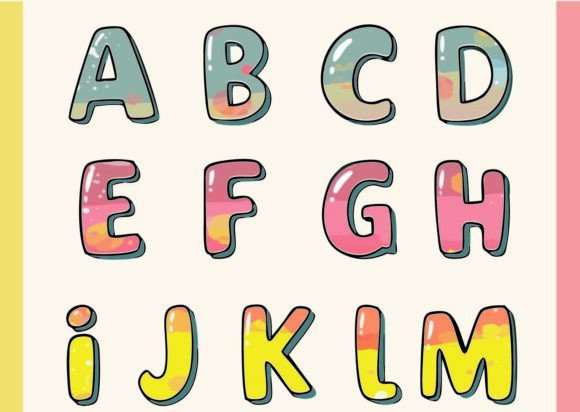
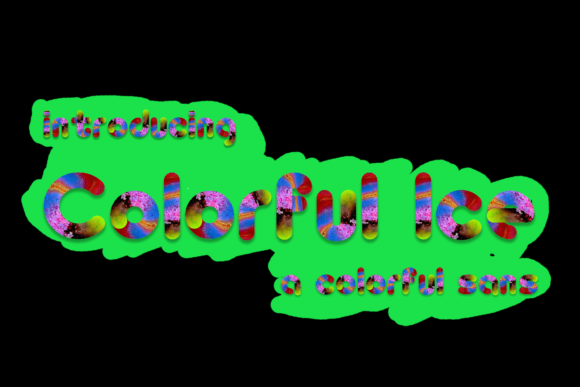
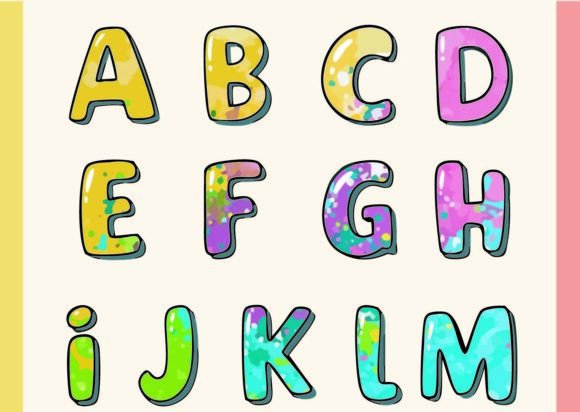
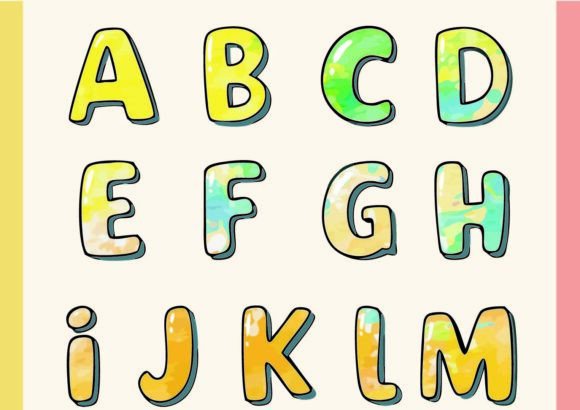
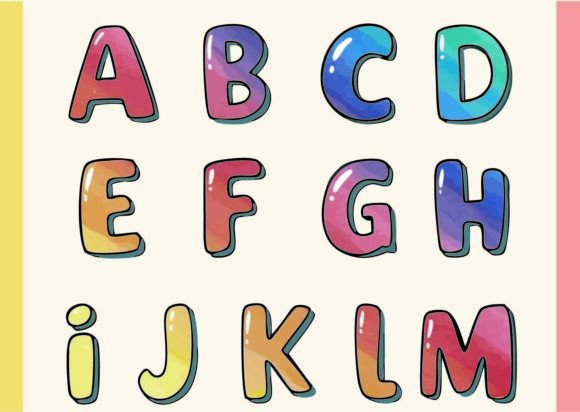
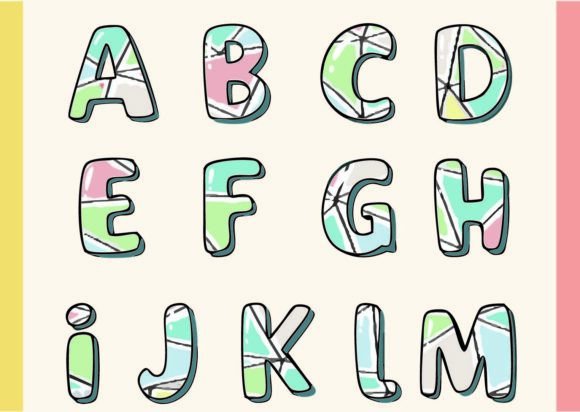
Imagine a font that doesn't just convey words but paints them. Every single glyph is a unique composition, a burst of carefully orchestrated color and intricate design. This is Lena, a typeface where each letter, number, and symbol is a miniature work of art. It's not just a set of characters; it's a colorful heaven, a gallery of complex paths and connections that come together to form something truly special. For designers and creators tired of flat, monochrome typography, Lena offers a vibrant, ready-made visual solution that can transform a project from ordinary to extraordinary.
Beyond Basic Typography: A Font with Built-In Artistry
What sets a creative font like Lena apart is its foundation as a color font, specifically using Opentype-SVG technology. This means the rich, multi-color gradients and detailed vector shapes are embedded directly into the font file. You don't need to manually apply effects or layer multiple objects in your design software. When you type, you get a fully realized, colorful typographic painting. This is a game-changer for workflow efficiency and visual consistency. The complexity you see in its glyphs—those intricate paths and connections—is pre-designed, saving you hours of painstaking work while delivering a level of detail that's hard to achieve manually.
For anyone working on branding, packaging, or social media graphics, this built-in artistry is invaluable. It allows you to create a striking visual identity that feels custom and premium without the custom price tag. The font itself becomes a central design asset, capable of carrying the visual weight of a logo or a headline. It’s a modern typography solution that bridges the gap between a simple typeface and full-fledged graphic illustration.
Practical Applications for a Standout Brand Identity
The true value of any design asset lies in its application. Lena’s vibrant, painterly quality makes it exceptionally versatile for projects that demand attention and convey creativity. Its personality is bold, artistic, and contemporary, making it ideal for a range of creative and commercial uses.
Consider how it can elevate specific projects:
- Logo Design & Branding: A logo sets the first impression. Using Lena for a wordmark or logotype instantly communicates a brand that is creative, modern, and unafraid of color. It works beautifully for boutique studios, artisanal product lines, event planners, or any business where visual appeal is paramount. The unique coloration ensures your brand name is memorable and stands out in a crowded marketplace.
- Packaging & Merchandise: On product packaging, Lena can act as the hero element. Its colorful heaven of glyphs can make a product pop on the shelf, telling a story of craftsmanship and attention to detail. Think coffee bags, cosmetic labels, or specialty food items. For merchandise like tote bags, mugs, or apparel, the font translates into a striking graphic that people want to wear and use.
- Digital Presence & Marketing: In the fast-scrolling world of social media, stopping power is everything. Lena is perfect for Instagram posts, Facebook ads, Pinterest graphics, and YouTube thumbnails. Its visual complexity grabs attention instantly, improving audience engagement. For websites and blogs, it can be used for impactful hero sections, section headers, or special announcements, adding a burst of personality to your digital space.
- Print & Editorial Design: Don’t limit this premium font to digital. It shines in print materials like posters, event invitations, magazine covers, and editorial layouts. The detailed glyphs reproduce beautifully in high-quality print, adding a luxurious, tactile feel to any project. For book covers or album art, Lena can provide the perfect focal point that hints at the creative content within.
Integrating a Statement Font into Your Design Workflow
A font as visually rich as Lena requires a thoughtful approach to integration. The goal is to let it shine without overwhelming your design or compromising readability. Here’s some practical advice for working with such a distinctive typeface.
Font Pairing is Key. Lena is a display font, meaning it’s best used for headlines, titles, and short bursts of impactful text. Pair it with a clean, neutral serif font or a simple sans serif font for body copy. This contrast creates visual hierarchy and ensures your main message is both eye-catching and legible. For example, a sans serif like Montserrat or a classic serif like Garamond can provide a calm, readable foundation that lets Lena’s colors and details take center stage.
Test for Readability and Scale. Always test how the font looks at different sizes. While Lena’s complex paths are stunning, they may lose definition at very small sizes. Use it where its details can be appreciated—in larger applications. Review the included font styles to understand its full range. Many color fonts come with alternate styles or weights, which can offer flexibility for different contexts.
Understand Commercial Licensing. Before using any font in a commercial project, it’s crucial to understand the licensing terms. Ensure the license covers your intended use, whether it’s for client work, merchandise for sale, or digital products. This is a standard but essential part of professional design practice, protecting both you and your clients.
A Tool for Creative Expression and Professional Polish
Ultimately, a font like Lena is more than just a tool for setting type; it’s a catalyst for creativity. It empowers small business owners, content creators, and designers to achieve a level of visual sophistication that might otherwise require a significant investment in custom illustration. It provides a shortcut to a professional presentation, enhancing brand recognition through a unique and consistent visual element.
Whether you’re crafting a brand identity from scratch, looking to refresh your marketing materials, or designing a one-off invitation for a special event, exploring a creative font like this opens up new possibilities. It encourages you to think of typography not just as a carrier of information, but as a central piece of your visual storytelling. In a world saturated with content, having a design asset that is both beautiful and functional can make all the difference in capturing and holding your audience’s attention.